Sliding Pergola Shade in Victoria: Your Complete 2026 Buyer’s Guide
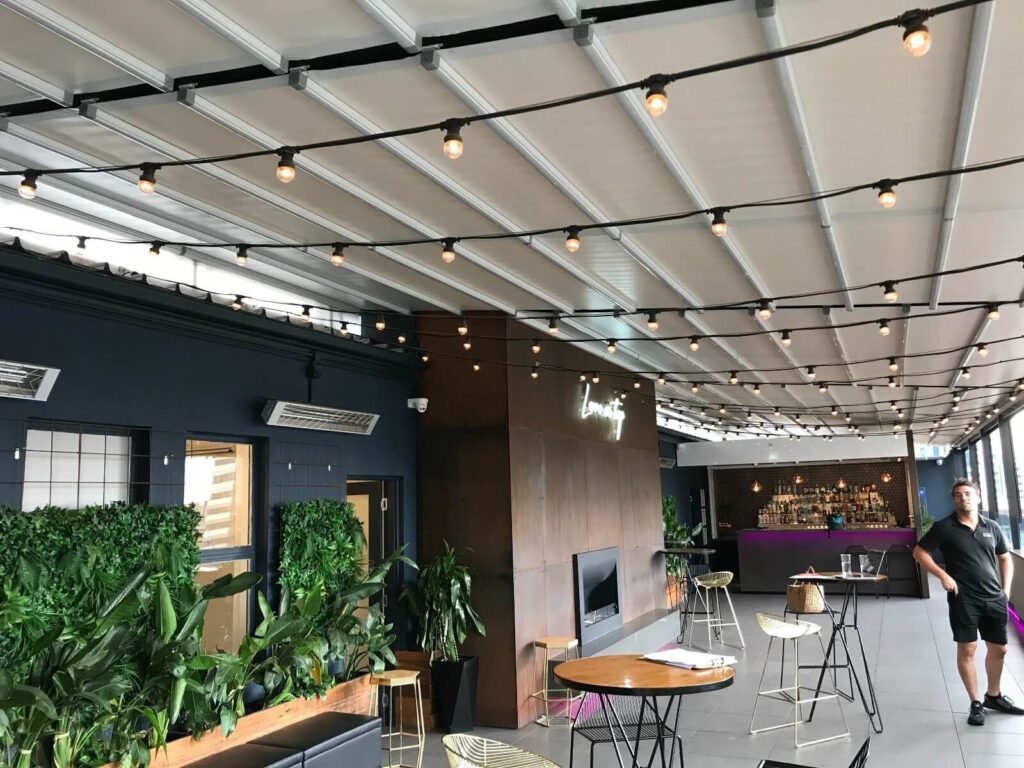
A professionally installed retractable sliding pergola shade system — available through Retractable Pergola Systems Victoria.
Wondering whether a sliding pergola shade is the right solution for your Melbourne alfresco, patio or backyard entertaining area? You’re not alone. It’s one of the fastest-growing outdoor living investments in Victoria right now — and for good reason. Unlike a fixed roof or a basic awning, a sliding pergola shade gives you genuine flexibility: push it across on a scorching January afternoon, retract it completely for a star-lit dinner in autumn, or lock it halfway to filter the glare while you work from home outside. This guide covers everything Victorian homeowners and commercial operators need to know before buying — from how sliding canopy systems actually work and what they cost, to permit requirements, fabric selection, and how to combine them with outdoor blinds and awnings for a full year-round outdoor room.
What Is a Sliding Pergola Shade and How Does It Work?
A sliding pergola shade — also called a retractable pergola canopy, retractable sunroof, or pleated patio shade — is a fabric roof system that moves horizontally along guide rails or tracks mounted on a pergola frame. When extended, the fabric covers the overhead area to block sun, UV rays and light rain. When retracted, the fabric collects into a compact cassette or pleated stack at one end, leaving the structure completely open to the sky.
The mechanics vary by system, but the core components are consistent across premium European products:
- Aluminium guide rails or side channels — mounted to the pergola beams or posts, they guide the fabric smoothly from one end to the other.
- Fabric panel or pleated membrane — acrylic, polyester or PVC-coated fabric selected for UV resistance, colour stability and weather performance.
- Motor or manual drive mechanism — motorised systems use a 240V motor (with optional remote, wall switch or smart automation); manual systems use a hand crank or rope-and-pulley drive.
- Cassette or storage housing — when retracted, the fabric folds into a protective cassette at the front or rear, shielding it from UV degradation and dust when not in use.
- Tension system — keeps the fabric taut across the span when extended, preventing sagging and improving rain run-off performance.
Key distinction: A sliding pergola shade moves horizontally across the frame. A folding arm awning extends outward from a wall on articulated arms with no overhead structure required. Both are retractable — but they solve different problems. If you already have a pergola frame, a sliding system adds a roof to it. If you want shade without any structure, a folding arm awning is the typical starting point.
Sliding Pergola Shade vs. Other Retractable Shade Systems: Which Is Right for You?
The Australian and Victorian market offers several distinct retractable shade pergola system types. Here’s how they compare honestly:
Sliding Pergola Shade
Fabric or membrane slides across guide rails on an existing or new pergola frame. Best for large areas, integrates with existing structures, strong sun and light-rain performance. Requires pergola frame as base.
Folding Arm Awning
Wall-mounted, extends outward on folding arms. No posts or frame needed. Ideal for decks, balconies and narrower patios. Can’t be installed on an existing pergola roof span — it replaces or extends from a wall instead.
Louvre / BioClimatic Pergola
Adjustable aluminium slat roof system. Full rain protection, maximum architectural presence. The premium tier — structurally substantial, almost always requires a building permit. Excellent for commercial hospitality.
Conservatory / Sunroof Blinds
Fabric shade that runs underneath or on top of an existing conservatory or pergola. Lower cost add-on, primarily for sun control rather than rain protection. Available in very wide spans — up to 22 metres.
Explore the full range of retractable roof and pergola systems as well as conservatory and pergola shade systems available through Retractable Pergola Systems Victoria.
Can You Add a Sliding Pergola Shade to an Existing Pergola?
Yes — and this is one of the most common scenarios in Victoria. Thousands of Melbourne homes have an existing timber or aluminium pergola that looks great but provides precious little shade. Retrofitting a sliding pergola shade or sunroof system to that existing structure is often far more cost-effective than rebuilding from scratch.
The key variables during assessment are:
- Structural condition and material: The existing beams and posts need to be in sound condition and capable of carrying the additional load of a guide rail and fabric system. Timber structures may need reinforcement; aluminium frames are usually compatible with direct attachment.
- Beam spacing and span: Most sliding shade systems run along the length of the pergola — the span across the width is the critical measurement. Systems like the Oztech and Weinor Pergotex II ranges are available in spans up to 6 metres or more.
- Pitch and drainage: A sliding canopy needs a slight pitch — typically 5° to 15° — to shed water effectively. If your existing pergola is perfectly flat, the installer can usually address this via the guide rail mounting angles.
- Motorisation access: If you want a motorised system, a 240V power point needs to be accessible near the motor housing. This is usually handled by an electrician in advance.
The team at Retractable Pergola Systems Victoria assesses all of these factors during a free on-site measure and quote visit, so you’ll get a straight answer about compatibility before committing to anything.
The Best Sliding Pergola Shade Systems Available in Victoria (2026)
Retractable Pergola Systems Victoria distributes and installs several of the most respected European-engineered systems in Australia. Here’s a practical guide to the key product lines:
Oztech Retractable Pergola Systems (Muse, Tera, Aristo, Halo)
Oztech is one of Australia’s most established retractable pergola manufacturers, designing products in Europe and manufacturing locally. The range covers everything from the sleek Muse (ideal for contemporary homes) through to the Aristo and Halo curved canopy systems. All Oztech systems feature robust aluminium cassettes, marine-grade acrylic or PVC-coated fabrics, and are available with motorisation, wind sensors and sun sensors. The Izi retractable roof system allows flexible integration with existing pergola structures — making it a strong contender for retrofit applications.
Weinor Pergotex II and WGM Top (Opti-Stretch)
Weinor is a premium German engineering brand with a decades-long reputation for precision in shade systems. The Pergotex II is a rail-guided awning system that sits on slim support columns with lateral guide tracks — casting shade over wide areas with a projection of up to 6 metres. The WGM Top with Opti-Stretch fabric technology delivers a taut, wrinkle-free canopy surface even across large spans. Both systems offer wind resistance up to Class 3 and integrate with Weinor’s solar-powered motor options — no external wiring required.
Rising Flat Retractable Pergola
The Rising Flat is the flagship system from the Rising range — a stylish, architecturally designed retractable covering that provides a clean, contemporary overhead solution for alfresco areas. Its flat profile when extended creates a strong visual statement while delivering serious shade and light rain protection. Available in a wide range of fabric colours and finishes to match any Victorian home exterior.
Rising BioClimatic Louvre Pergola
For those who want the ultimate sun shade pergola that also functions in heavy rain, the BioClimatic Louvre Pergola is the top of the range. Motorised aluminium blades open and close to control ventilation, sunlight and rainfall simultaneously. When closed, the blades redirect water to integrated gutters — the space beneath stays completely dry. This system is the choice for premium alfresco rooms, commercial outdoor dining venues and any application where the outdoor area needs to function as a genuine all-weather room.
How to Choose the Right Fabric for Your Sliding Pergola Shade in Melbourne
Fabric selection is one of the most important and least-discussed decisions in the whole buying process. The wrong fabric choice can mean premature wear, overheating, or inadequate weather protection. Here’s how to think through it for Victorian conditions:
Acrylic (Marine-Grade) — the go-to for Melbourne
Solution-dyed marine acrylic fabrics — brands like Sunbrella, Sattler HVG, and Dickson — are the industry standard for premium retractable awnings and pergola shades. They’re breathable (reducing the heat-trap effect under the canopy), mould and mildew resistant, UV-stable for 10–15 years, and available in hundreds of solid and striped colourways. For east- and north-facing aspects in Melbourne, acrylic is usually the right call.
PVC-coated polyester — when rain protection matters more
If your primary driver is rain protection rather than pure shade, a weldable PVC-coated fabric is the better option. It’s waterproof, easy to clean, and handles Melbourne’s unpredictable summer downpours without letting water through. Less breathable than acrylic — but for an enclosed outdoor dining area or commercial hospitality setting, the trade-off is entirely worth it.
Colour and solar performance
Lighter colours (cream, silver, light grey) reflect solar radiation and keep the space beneath significantly cooler — relevant during Melbourne’s 38°C+ summer days. Darker colours (charcoal, black, deep green) absorb more heat but can be aesthetically compelling and work well for winter use or under pergolas that face south. The fabric’s openness factor also matters: for vertical side screens, a 5–10% openness mesh allows airflow and views while blocking glare and UV.
Completing the Picture: Outdoor Blinds, Cafe Blinds and Side Screens
A sliding pergola shade handles the overhead beautifully — but it’s the combination with perimeter outdoor blinds and awnings that transforms a patio into a genuine year-round outdoor room. Most Victorian homeowners end up adding side treatments within a year or two of installing the roof system. Here’s what works:
Cafe Blinds and Clear PVC Drop Blinds
Clear PVC cafe blinds are the most popular perimeter treatment for both residential alfresco areas and commercial dining spaces. They roll down in seconds to enclose the space against wind and rain while maintaining clear sightlines into the garden. When the weather’s fine, they roll right up and disappear. ZipTrak, eZip and geared roller options are all available — the right choice depends on your span widths, wind exposure and whether you prefer a track-guided or open-sided drop.
Melbourne café and restaurant operators in particular are using this combination — sliding overhead shade plus perimeter PVC cafe blinds — to extend their outdoor seating seasons significantly. When the overhead is protected and the sides are enclosed, a southerly change or summer afternoon shower doesn’t have to cost you bookings.
Weinor Paravento Side Panel Awnings
For a more architectural solution, the Weinor Paravento side panel awning offers protection from both bright sun and cooler winds. Designed to integrate visually with other Weinor pergola products, the Paravento operates on guide rails to slide across the open side of the pergola — perfect for west-facing aspects where late afternoon sun tracks low enough to bypass overhead shade.
Drop Arm Window Awnings
If adjacent windows or glass sliders are contributing to indoor heat gain, pairing your pergola shade with drop arm window awnings on the surrounding facade is a smart move. These fix to the exterior window or door frame on pivoting metal arms, blocking low-angle sun that an overhead shade can’t intercept. External shading can reduce heat transfer through glazing by up to 75%.
Awnings Victoria: What to Consider Before Buying in Melbourne’s Climate
Victoria’s outdoor living conditions are genuinely different from the rest of Australia, and it affects every decision in this category:
- Four-seasons-in-a-day weather: A system that doesn’t have automatic wind retraction is a risk in Melbourne. Gusty southerly changes can arrive with very little warning. Wind sensors that automatically retract the canopy before the fabric is stressed are strongly recommended for any motorised installation.
- North-west solar aspect: Melbourne’s harshest sun arrives from the north-west in summer afternoons. A pergola or alfresco on the north or west face of the house will need reliable shade between 2pm and 6pm — the most brutal window. Design your shade system with this exposure in mind.
- Heritage overlays: Several Melbourne council areas — particularly inner suburbs like Fitzroy, Northcote, Brighton and Camberwell — have heritage overlay provisions that may affect what you can install on visible facades. A reputable installer knows these overlays and will flag any issues before you commit.
- Bushfire Attack Levels (BAL): Properties in outer Melbourne and regional Victoria with bushfire risk ratings require specific fabric and frame material specifications. Ask your installer whether the system is compliant with your property’s BAL rating.
Retractable Pergola Systems Victoria serves the full Melbourne metropolitan area plus regional Victoria — including Geelong, Mornington Peninsula, Ballarat and the Surf Coast. Their team is across local council requirements, heritage overlays and wind exposure specifics for each region.
How to Buy a Sliding Pergola Shade in Victoria: Step by Step
The process doesn’t have to be complicated. Here’s what a straightforward buying journey looks like when you work with a professional installer:
-
Free measure and quote — a qualified installer visits your property, assesses the space, existing structure (if any), orientation, and your use case. They’ll identify any permit requirements, wind exposure issues, and structural considerations before recommending specific systems.
-
System selection and fabric choice — based on the assessment, you’ll choose a product range, motorisation level, fabric type and colour. Your installer should present at least two or three options at different price points.
-
Permit management (where required) — if a building permit is needed, a professional installer handles the documentation, engineering certification and building surveyor coordination on your behalf.
-
Custom manufacturing — all premium systems are custom-made to your specific measurements. Lead times vary — typically 3–8 weeks depending on the system and current production schedules.
-
Professional installation — the system is installed by the supplier’s own certified team, not subcontractors. Motorisation is connected, sensors are configured, and you’re walked through the operation before the team leaves.
-
After-sales support — warranty claims, service calls and fabric replacement are handled by the same team who installed the system. Ask about this upfront — it varies significantly between suppliers.
Motorisation and Smart Control Options for Your Retractable Pergola Awning
The motorisation and automation options available for sliding pergola shade systems in 2026 are genuinely impressive. Here’s a quick rundown:
Manual operation
Hand-crank or rope-and-pulley drives are available on most systems and are a reliable, no-power-required option for smaller installations. A good manual drive should be smooth enough for one person to operate easily across a 4–5 metre span.
240V motorised with remote or wall switch
The most common motorised setup. A 240V motor drives the canopy open or closed; operation is via a handheld remote or hardwired wall switch. Typical motor brands in this category include Somfy and Weinor’s own drive systems.
Wind and sun sensors with timers
The step up that makes a real difference in Melbourne conditions. A wind sensor monitors wind speed and automatically retracts the canopy if a threshold is exceeded — protecting the fabric and mechanism from damage. Sun sensors trigger the canopy to extend when solar intensity reaches a preset level, and timers allow scheduled operation (e.g., extend at 2pm, retract at 7pm). This combination means the system looks after itself even when you’re at work.
C-Bus and smart home integration
Premium installations can be integrated with C-Bus home automation, Google Home, Apple HomeKit or other smart home platforms — allowing your pergola shade to be part of a whole-home scene alongside lights, blinds and air conditioning. Retractable Pergola Systems Victoria supplies systems compatible with C-Bus integration.
Solar-powered motor (select Weinor systems)
Some Weinor models include an integrated solar panel that charges the motor drive — eliminating the need for external wiring entirely. Useful for freestanding pergolas or areas where running power to the cassette is impractical.
Frequently Asked Questions: Sliding Pergola Shade in Victoria
Is a sliding pergola shade waterproof?
It depends on the fabric. Acrylic fabrics like Sunbrella are highly water-resistant but not technically waterproof — they shed light to moderate rain effectively but heavy, sustained downpours may eventually penetrate. PVC-coated polyester fabrics are waterproof and designed for rain protection. If guaranteed dry coverage in all rain is the goal, a louvre pergola with integrated gutters is the definitive solution. For most Melbourne residential alfresco areas, quality acrylic performs well in the rain events you’ll actually encounter.
Do I need a permit for a sliding pergola shade in Victoria?
This depends on the classification of the structure. Under Victorian building regulations, a retractable fabric covering is generally classified as a “solid covering” when extended — meaning the structure is reclassified from an open pergola to a verandah, which typically requires a building permit. An open-lattice pergola without a covering may be permit-exempt (under 20m², meeting siting requirements), but adding a sliding canopy changes the classification. A professional installer will advise on this and manage the permit process if required.
How long do sliding pergola shade systems last in Melbourne?
High-quality European-engineered systems with marine-grade acrylic fabrics typically deliver 10–15 years of fabric life with basic seasonal maintenance. Aluminium frames and mechanisms — if properly powder-coated and kept clean — will outlast the fabric significantly. The key maintenance tasks are: keeping moving parts lubricated, cleaning fabric with mild detergent and rinsing thoroughly, allowing the fabric to dry before retracting when possible, and checking fixings and guide rails seasonally.
Can I add a sliding shade to a timber pergola?
Yes, in most cases — subject to a structural assessment. The timber beams need to be in sound condition and of sufficient section size to carry the guide rail and fabric load. A site inspection by an experienced installer will determine compatibility. If the timber is too aged or undersized, the installer may recommend reinforcement options or a replacement aluminium frame rather than retrofit.
What’s the difference between a sliding pergola shade and a folding arm awning?
A sliding pergola shade moves horizontally across a fixed overhead frame — it requires a pergola structure (existing or new) as its base. A folding arm awning is wall-mounted and uses articulated arms to extend a canopy outward from the wall — no pergola frame required. They’re complementary products rather than direct alternatives: if you have no overhead structure, start with a folding arm awning. If you have a pergola and want a roof for it, a sliding shade system is the answer.
How much does a sliding pergola shade cost in Melbourne?
Pricing is entirely site-specific — span, projection, motorisation level, fabric choice and structural requirements all affect the final figure. As a very rough guide, a mid-range motorised retractable canopy system for a standard alfresco of 4–6 metres wide can range from approximately $5,000 to $12,000+ installed. The only way to get an accurate price is a free on-site measure and quote — costs have shifted with material pricing through 2025–2026, and any figure quoted without seeing your space should be treated as indicative only.
Are cafe blinds and outdoor blinds compatible with sliding pergola shade systems?
Absolutely. In fact, this is the most popular combination in Victoria: a sliding overhead shade paired with cafe blinds or mesh drop screens on the perimeter creates a fully functional outdoor room that manages sun, wind and rain from all directions. The perimeter blinds and the overhead shade operate independently, so you can mix and match coverage based on conditions. Installation is typically planned holistically — it’s worth discussing both systems at your measure and quote appointment so the fixing points and alignment are designed to work together.